
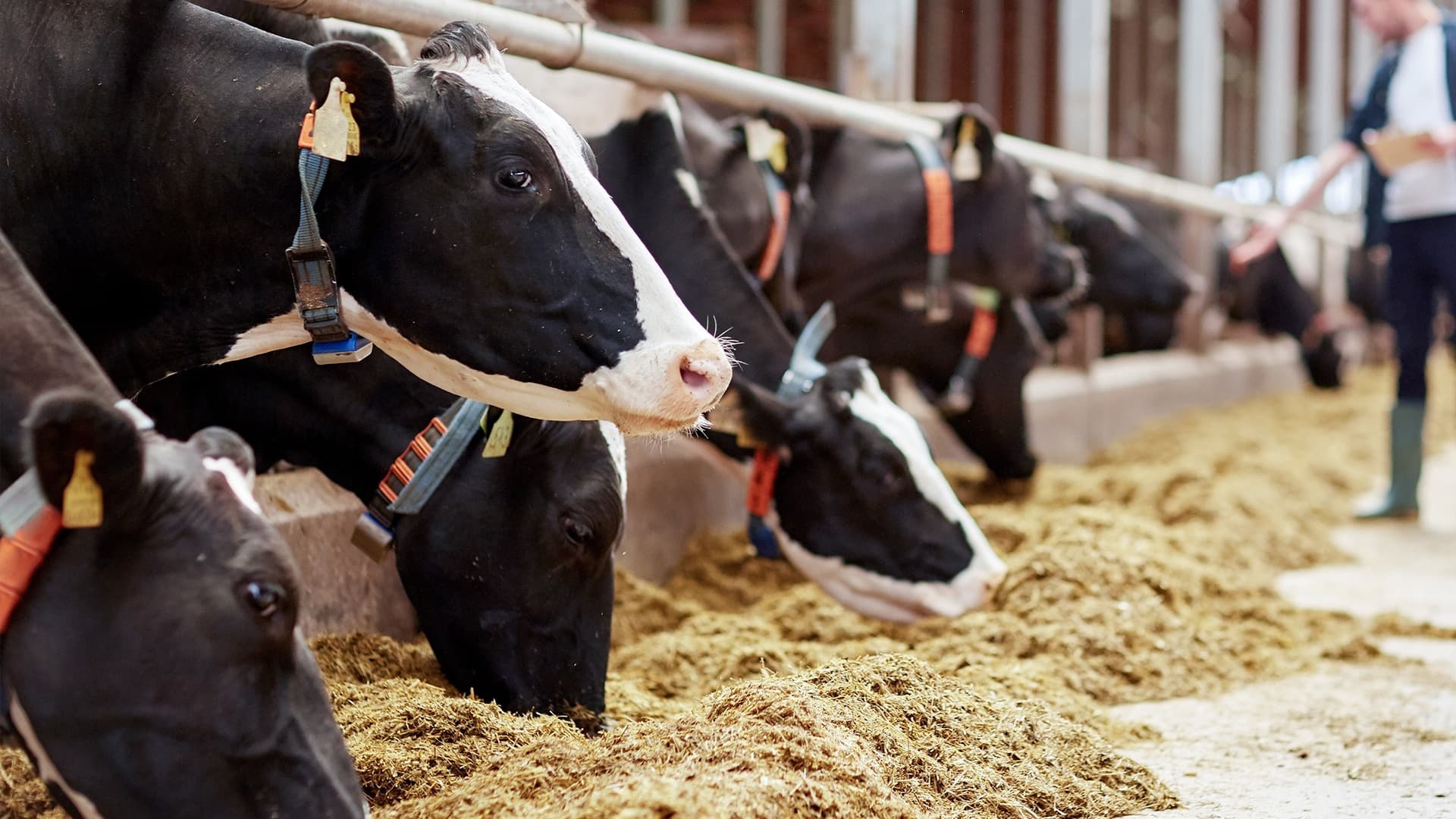
What makes the best livestock sheds for welfare and durability
A livestock shed does more than keep animals dry. On beef and dairy farms, shed design affects animal welfare, performance, and daily work. The materials and layout you choose at the start will influence hygiene, lameness, loading, and cleaning.
We have worked with UK farmers and agri-developers for decades, supplying precast concrete for many types of farm buildings. With our AgriStride slat systems, we are often involved early in shed design. This gives us a clear view of what works and what does not.
Here’s a breakdown of what to focus on when designing or updating livestock sheds, with a focus on flooring that supports the whole system.
Welfare Considerations Start from the Ground Up
Cattle spend most of their time standing or lying down. If the floor is uncomfortable, slippery, or wet, it affects their health and behaviour. Shed design should support natural movement, safe footing, and clean resting areas, not just provide space and ventilation.
The most effective livestock sheds do the following:
- Separate clean and dirty areas clearly
- Promote cow flow through wide, open passages
- Keep surfaces dry underfoot to reduce hoof problems
- Use materials that are easy to clean and maintain
- Include non-slip finishes to reduce injury risk
Flooring choice has a knock-on effect on all of the above. If you're working with old-style concrete slats or mats, you're likely dealing with more than your fair share of scraping, wear, and hygiene risks.
The Issue with Traditional Floor Systems
For years, the standard setup in livestock sheds was precast slats paired with rubber mats or, in some cases, plain concrete flooring throughout. While this may have met the basic requirements for load-bearing, it historically comes with drawbacks:
- Hard surfaces lead to excess hoof wear and joint pressure
- Rubber mats curl, lift or trap slurry underneath
- Wet areas become slip hazards
- High ammonia retention around bedding areas
- Frequent maintenance and replacement cycles
We often see sheds with mats installed to improve comfort, but they end up causing hygiene and cleaning issues instead. Retrofitting those systems tends to be more expensive over time, especially once vet costs or hoof trimming bills start adding up.
Choosing Durable Materials That Don’t Compromise Welfare
Durability means finding solutions that last for years of daily use without causing welfare problems. This depends on choosing the right materials and products.
Key features to look for:
- Load-bearing capacity: Ensure panels and slats are rated appropriately for machinery and livestock weights.
- Non-slip surface finishes: Textured concrete or integrated rubber with a proven grip pattern.
- Resilience to pressure washing and scrape systems: Some finishes erode quickly under regular cleaning.
- Drainage compatibility: Especially in high-traffic zones where slurry accumulates.
- Proven wear performance over a 10–15-year period.
We design AgriStride slats with these needs in mind. Our slats use high-strength concrete with a built-in rubber insert. This avoids common failure points and gives a cleaner, longer-lasting surface.
Where Slats Make the Biggest Difference
Different parts of a livestock shed need different flooring. We supply three types of AgriStride slats, each for a specific use in dairy and beef sheds.
1. Moov – for movement zones
Moov slats are for raceways, parlour exits, and other busy areas. They have diagonal openings and a textured, soft surface to help cows move in and out of sheds with confidence. The angled design helps clear waste and keeps good traction for scraping systems.
2. Classic – for standard passageways
Classic slats are wide spanning and used in wider scrape passages. The built-in inserts make the floor less harsh and can lower surface ammonia by up to 60%. They are easy to use as replacements for older slats, especially in retrofits.
3. Vario – for wider bays and open-plan sheds
Vario slats are for larger open spans in new sheds. They have a chevron-style rubber insert to improve cow flow and make cleaning faster. They work well for first-lactation animals where mobility and confidence matter most.
Using different slat types lets you build sheds that match natural cow movement, instead of making cows adjust to poor flooring.
Thinking Long-Term: Maintenance and Performance
Many farms worry about the long-term cost of materials when upgrading. Cheap slats or mats that need frequent replacement are not good value when you consider:
- Time spent lifting, resetting or repairing slats
- Downtime in housing or cleaning operations
- Increased vet bills from hoof-related issues
- Material waste or disposal costs
We focus on designing products that last. Every AgriStride slat is precast to meet British Standards for strength and finish. We do not use add-on parts that can peel, lift, or wear out before the concrete.
When the floor drains well, supports foot health, and reduces slips, you have more time to focus on feed, genetics, and other important areas.
Getting the Shed Design Right from Day One
Stocking density, ventilation, feeding, parlour location, and waste handling all affect how your shed should work. Therefore, it’s pretty obvious that no single shed layout works for everyone.
From a flooring point of view, we suggest asking these questions early in the project:
- Where are the highest-risk zones for slipping or lameness?
- How will slurry be handled across different areas of the shed?
- What’s the clean-down method (manual, mechanical, automatic)?
- Will the flooring surface promote or restrict natural movement?
- Can the structure support replacement or retrofit if needed?
We work with building teams, shed designers, and agri-consultants to make sure flooring matches the shed’s use. Some sheds use all three AgriStride slat types in different areas.
The goal is to design for the animals, not just to fit the building plan.
Built for Welfare, Backed by Durability
A good shed keeps livestock safe. A better shed helps them do well.
If you focus on practical welfare features like secure footing, dry floors, and better movement, you reduce lameness, improve hygiene, and make the shed better for both animals and people.
We design flooring systems for the real challenges on UK farms. For new builds or retrofits, our goal is to create sheds that work now and last for years.
To explore AgriStride options for your project, or to speak with our technical team about shed planning, visit agristride.co.uk.
FAQs
1. How are AgriStride slats different from traditional slats?
AgriStride slats combine concrete strength with integrated rubber inserts, offering better grip and comfort without the maintenance issues of mats or bolt-on overlays.
2. Can these slats be used in retrofitted sheds?
Yes, we often supply AgriStride Classic slats as direct replacements in older housing setups. Dimensions can usually be matched to existing layouts.
3. Do the inserts wear down over time?
The inserts are built into the mould during casting and designed to have a long lifespan, however traditional rubber can wear down faster than concrete. Our inserts are purposely designed to be easily replaceable as no glue or mechanical fixings are used.
4. What sort of cleaning systems are these compatible with?
All AgriStride slats are suitable for mechanical scraping systems and pressure washing, with designs that promote efficient drainage.
5. Are they suitable for all cattle weights?
Yes. Depending on the model, slats are rated up to 40-tonne axle loads. We'll advise based on your machinery and stock classes.
6. Can I mix different AgriStride types in one shed?
Absolutely. That’s often how we approach it - using Moov in exits, Vario in open-plan areas, and Classic throughout the rest.