
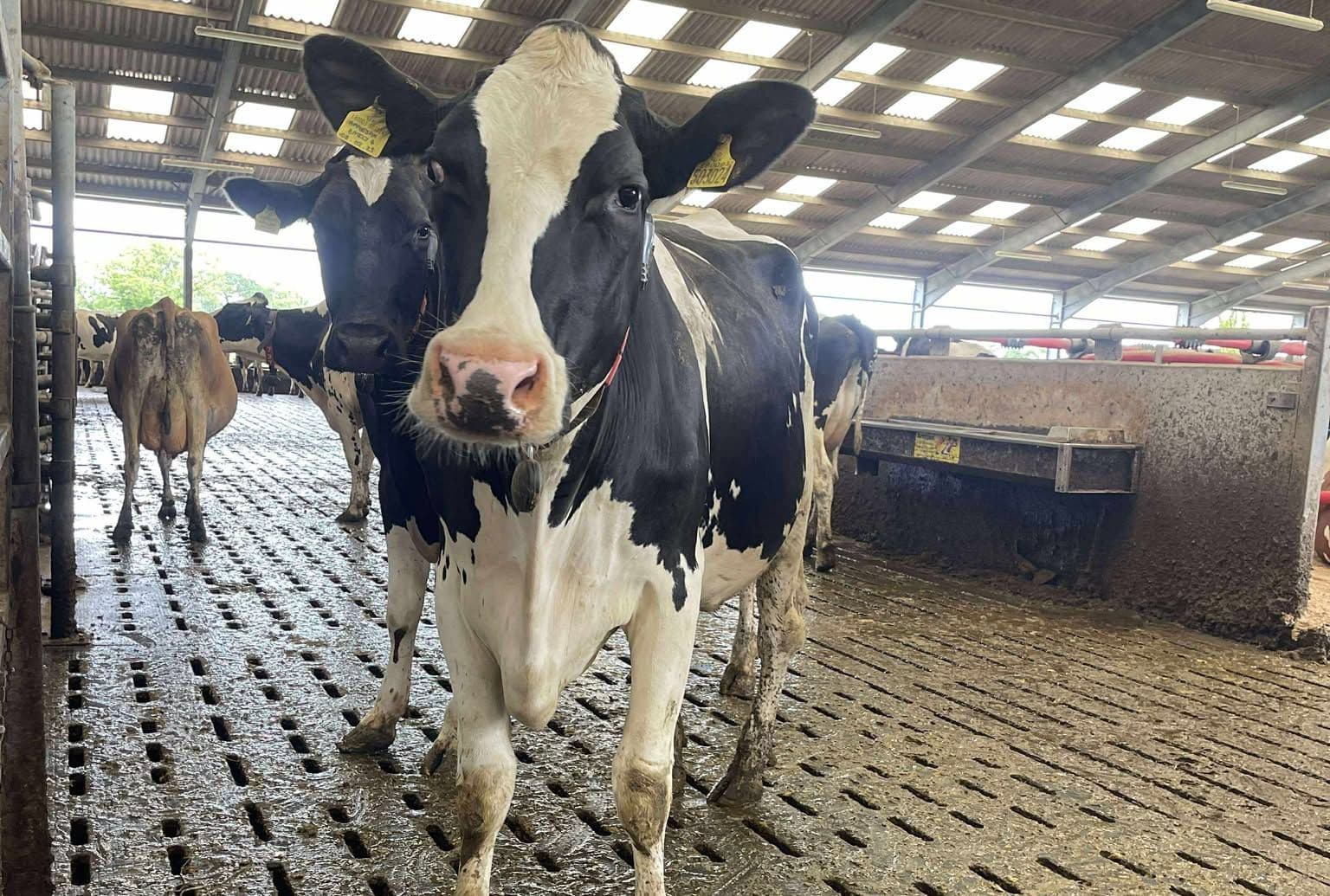
Commercial agricultural flooring guide for farm projects
In any modern farm building, agricultural flooring is far more than a finishing detail. It has a direct effect on how the building works each day, shaping livestock movement, cleanliness, labour efficiency and the overall ease of management.
In busy commercial settings, the floor is under constant pressure from animals, machinery, scraping systems and regular washdowns, so its performance quickly becomes central to how well the whole shed operates.
This is especially important in larger farm projects, where buildings need to handle more animals, support better welfare, and allow for efficient routines. If the floor is not well planned, it can cause daily problems like slow animal movement, harder cleaning, and faster wear in busy areas. The right flooring makes the building safer, cleaner, and easier to manage, so it should be a key design decision made early in the planning process.
What Good Agricultural Flooring Needs to Deliver
A successful commercial flooring system must meet several demands simultaneously. It must provide a reliable grip underfoot without being so aggressive that it becomes uncomfortable or harsh for livestock. It needs to withstand repeated traffic and regular use, while also being easy to clean and compatible with the building's overall layout.
Getting this balance right is key to good flooring. A floor might look tough, but if it doesn’t help animals move confidently or clear waste well, it can still cause daily problems. Wet spots, dirtier animals, slow scraping, and harder cleaning often mean the floor isn’t meeting the shed’s needs. Good agricultural flooring should be judged on both its strength and how well it works in the whole farm environment.
Why One Flooring Solution Rarely Works Everywhere
A key idea in farm building design is that different parts of a shed have different needs. For example, a collecting yard puts different demands on the floor than a scrape passage or entrance. Traffic, cleaning routines, and animal behaviour all change from area to area. Using the same flooring everywhere often means making compromises that hurt performance.
It’s better to think of the building in zones. Figure out where animals move the most, where clearing waste is most important, and where the floor will get the most wear. Once you know these zones, you can choose flooring based on what each area needs. This approach usually leads to a more efficient and practical building, since each part gets the right surface for its use.
The Link Between Flooring, Livestock Welfare and Movement
Flooring has a clear influence on livestock confidence and movement. Animals respond quickly to the feel of the surface beneath them. If a floor seems slippery, uneven, or uncomfortable, they often shorten their stride, move more cautiously, or hesitate at key transition points. Over time, that can disrupt the building's natural flow and place avoidable pressure on both animals and staff.
This is why agricultural flooring is increasingly part of the welfare discussion rather than being treated only as an infrastructure issue. A good surface supports more natural movement, encourages confidence underfoot and helps create a cleaner environment overall. A poor surface can undermine all three. In commercial farm projects, flooring is an important part of designing a building that works well for livestock and for the people managing them.
Why Cleaning Performance Should Influence Flooring Choice
Strength alone is not enough in a livestock building. A floor must also support efficient cleaning and waste management. In sheds where scraping forms part of the daily routine, the relationship between flooring, slurry movement and passage design becomes especially important. If the surface does not clear well, hygiene standards can slip, and labour demands can rise very quickly.
This is why flooring should be planned together with the building’s practical systems. The right floor helps waste move easily, supports regular scraping, and keeps the shed cleaner and easier to manage. The wrong floor can break that routine, leave dirt behind, and add extra work every day. Over time, these small daily problems can turn into bigger issues, so cleaning performance should be a top priority when choosing flooring.
The Move Towards More Integrated Flooring Systems
As farm buildings have developed, so have expectations around flooring. Traditional solutions still have their place, but there is growing emphasis on systems that balance durability, grip, and cleaning performance. This reflects a broader shift in agricultural design, where buildings are no longer judged by a single isolated feature but by how effectively all elements work together.
For buyers, specifiers, and farm owners, this means flooring should be seen as part of the whole shed system. Instead of just asking if a floor is tough, it’s better to ask how it helps with hygiene, movement, welfare, and long-term use. This broader view usually leads to better choices, especially in large projects where mistakes can lead to daily problems and higher maintenance costs.
What to Consider at the Planning Stage
The best time to decide on flooring is at the start of the project. It should be planned along with the building layout, animal flow, cleaning systems, and daily use. If you wait until later, the floor might end up being an afterthought instead of truly supporting the building.
A good way to begin is by dividing the building into zones and asking what each area needs from the floor. Some spots might need more grip, while others need better cleaning or traffic resistance. It’s also important to think long-term. Flooring should work well right after installation and stay effective for years. Durability is important, but so is keeping things efficient and clean over time.
How AgriStride fits into the discussion
At AgriStride, we see commercial agricultural flooring as part of the whole farm environment, not just a surface choice. Our goal is to help create buildings that are cleaner, safer, and more practical for daily use, with careful attention to livestock movement, hygiene, and the needs of each area in the shed.
This approach recognises that different parts of a farm project often require different floor requirements. A successful specification starts by understanding how the building will function in real life and then selecting a flooring solution that supports that reality. When agricultural flooring is considered in that broader, more strategic way, it becomes a valuable part of building performance rather than just a construction detail.
Conclusion
Commercial agricultural flooring is a core part of any farm project. It impacts movement, cleanliness, labour efficiency, welfare, and how usable the building is every day. Because of this, it should never be an afterthought.
The best results come from planning flooring by zone, by use, and with long-term goals in mind. Each area of a building has different needs, so the best flooring choices are those that match these differences. When flooring is chosen thoughtfully, it supports both the shed’s structure and the farm’s overall performance and efficiency.
FAQs
What is commercial agricultural flooring?
Commercial agricultural flooring refers to flooring systems used in working farm buildings where durability, grip, hygiene and livestock movement are all important.
Why is agricultural flooring important in farm projects?
It affects the building’s daily performance, including cleanliness, animal confidence, safety, labour efficiency, and how easy it is to manage.
Should the same flooring be used throughout the whole shed?
Not always. Different areas often have different traffic, cleaning needs, and movement patterns, so using zones is usually more effective.
When should flooring be considered in a farm project?
Ideally, flooring should be planned early, along with layout, livestock flow, and cleaning systems.
What makes a good agricultural floor?
A good agricultural floor should offer reliable grip, make cleaning easy, handle regular use, and help livestock move confidently every day.