
Why AgriStride is catching the attention of farm consultants
Farm consultants rarely talk about flooring on its own. It is part of bigger decisions about cow flow, hygiene, scraping, labour, hoof health, and how the shed performs over time.
At AgriStride, we work with this bigger picture in mind. We see flooring as part of the building’s daily function, not just a product choice.
That perspective is part of the reason AgriStride is attracting interest. Consultants are usually involved where practical outcomes matter: how safely cows move through a passage, how easily slurry is managed, how much maintenance a system creates, and whether the building will continue to work well over time. Flooring plays into all of those things. When it is specified well, it supports the wider system. When it is not, it can become a weak point that affects several areas at once.
Flooring Is Part of the Wider Shed Performance
Consultants do more than just pick a suitable material. Their real job is to see how each part of the shed affects the whole. Flooring is about more than comfort. It shapes movement, grip, cleaning, and how well passages last. In short, flooring impacts both animal welfare and daily routines.
At AgriStride, we talk about flooring as part of how the building works, not just as something to add at the end. This matters because the problems consultants solve are often connected. For example, a wet passage could be due to scraping, drainage, cow traffic, or the floor itself. Slipping might be about layout and use, not just the surface. Flooring alone does not fix everything, but it directly affects how well the shed works overall.
Why Our Approach Resonates With Farm Consultants
One clear reason AgriStride is getting attention is that our approach matches how many farm consultants already work. Most are not looking for a product that solves just one problem. They consider many practical factors at once, like throughput, cleaning, durability, future-proofing, and how the shed handles daily stock movement.
Our focus matches this way of making decisions. We discuss flooring in terms of movement, hygiene, durability, and maintenance, because these are the areas consultants consider when making recommendations. We do not treat flooring as just a cosmetic or minor choice. Instead, we see it as part of the main decisions that shape how well a building works.
This approach makes the discussion more helpful. It shifts the focus from just comparing products to looking at the real role of flooring in the system. For consultants working on new builds or upgrades, this is often a more practical place to start.
Focusing on Real On-Farm Problems
AgriStride also stands out because we talk about real, familiar issues. Consultants have seen tough but uncomfortable surfaces, slippery passages, mats that lift, trapped slurry, repeated repairs, and heavy wear in busy areas. These are not just theories. They affect daily work, labour, maintenance, and sometimes animal confidence and hoof health.
That practical framing matters. Consultants are often wary of overly polished product claims that feel detached from what actually happens in a working livestock building. A supplier is more useful when it starts from the farm's operating reality rather than broad marketing language. At AgriStride, the conversation begins with how floors perform under load, under traffic and under routine cleaning conditions.
It also helps that we focus on what happens after installation, not just the install itself. Flooring choices should be judged over time. What seems cheap at first may cost more later if repairs, downtime, or problems add up. Consultants are usually the ones who look past the initial price to see the real long-term value.
Zone-Led Design Supports Better Specification
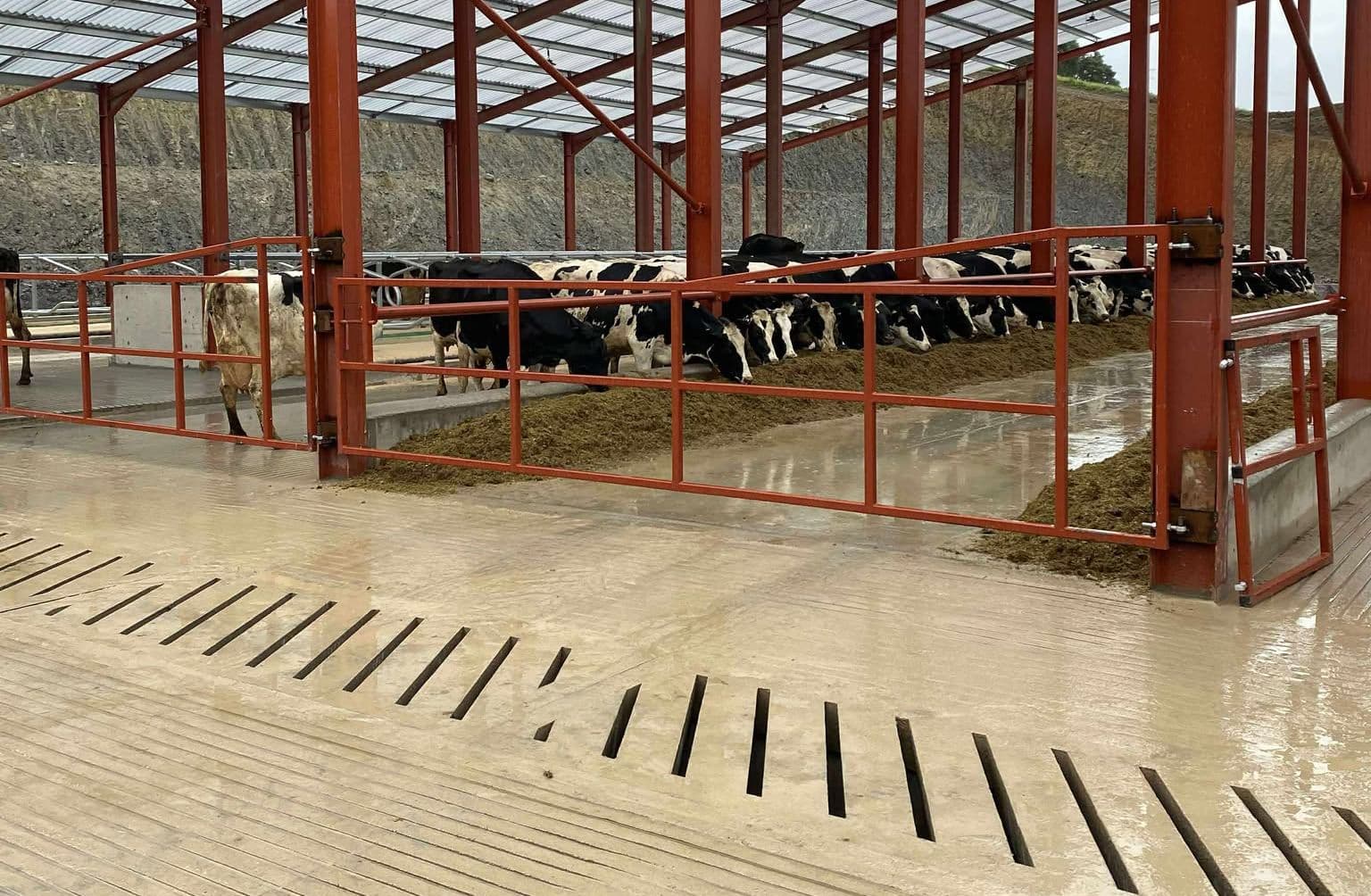
One of the clearer ways AgriStride aligns with consultant thinking is through a zone-led approach. Not every part of a livestock shed performs the same function, and flooring should reflect that. A parlour exit, a raceway, a standard scrape passage and a wider bay each place different demands on the surface in terms of movement, wear and slurry handling.
This distinction matters because it leads to better choices. Instead of using one type of flooring everywhere, a zone-led approach lets you match flooring to how each area is used. Consultants already make layout decisions based on function, traffic, and management. Flooring should follow the same logic.
What matters here is not simply product range, but the logic behind it. The value lies in recognising that shed design works better when flooring is matched to the conditions of each zone rather than applied uniformly. For consultants involved in detailed planning, this makes the discussion more relevant and more technically useful.
Welfare and Durability Need to Sit Together
A common weakness in livestock building discussions is the suggestion that flooring must be either durable or supportive of welfare, as though the two are mutually exclusive. In practice, consultants usually need both. A floor has to cope with regular traffic, scraping, cleaning and, in some cases, machinery loads. At the same time, it needs to offer a safe footing and support natural movement across the building.
AgriStride treats those priorities as linked rather than separate. That matters because a durable floor that creates movement issues is not a strong long-term answer, and neither is a surface that appears comfortable but struggles under routine farm use. Consultants are typically looking for balanced performance, where strength, grip, cleaning resilience and practical longevity all sit alongside welfare considerations.
That balance is part of what makes the conversation more credible. It reflects the reality that farms are not choosing between toughness and usability; they need flooring that can handle both. For consultants, that is usually the more relevant basis for comparing options and advising clients.
Early Design Input Makes the Difference
AgriStride also appears to be attracting attention for where it places itself in the process. Flooring decisions tend to be more effective when they are discussed early, while there is still scope to influence layout, movement routes and management systems. Once the building is fixed, the room to improve outcomes narrows considerably.
For farming consultants, the early stage is often when the best conversations happen. It is easier to talk about scraping, slurry movement, wear zones, cow flow, and cleaning before everything is decided. A flooring supplier who helps at this point is more useful than one who joins after plans are final.
This does not mean flooring is the first decision in a shed design, but it does mean it should not be left until the end. When the floor supports the building's intended use from the start, the result is usually stronger operational performance and less compromise later on.
Why Consultants Are Taking Notice
Farm consultants are noticing AgriStride because we look at flooring in a way that matches real livestock building needs. We do not just sell flooring as a product. We show how it helps with cow movement, hygiene, maintenance, durability, and overall shed performance.
This approach appeals to consultants because it matches how they already work. They look at whole systems, not just surfaces. They care about long-term results, not just installation. They think about zones, workflows, and outcomes. A supplier who understands these concerns is more relevant than one who only talks about products.
That is why AgriStride’s growing reputation makes sense. Our approach matches the real questions consultants have, so flooring becomes part of good building design, not just an extra detail.
FAQs
Why would farm consultants pay close attention to flooring?
Because flooring affects movement, hygiene, scraping, hoof health, labour efficiency and the wider performance of the shed. It has practical consequences beyond surface finish.
What makes AgriStride relevant to farm consultants?
AgriStride frames flooring within the wider livestock housing system, which aligns more closely with how consultants typically assess building performance.
Why does zone-led flooring design matter?
Different areas of a shed behave differently. A zone-led approach helps match flooring to the way each space is used, rather than applying one solution everywhere.
Is the focus only on cow comfort?
No. The discussion also includes durability, maintenance, cleaning resilience and long-term practicality alongside welfare-related considerations.
Why is early involvement useful?
Because flooring decisions are more effective when considered during the design stage, while layout, movement, and management systems can still be shaped.