
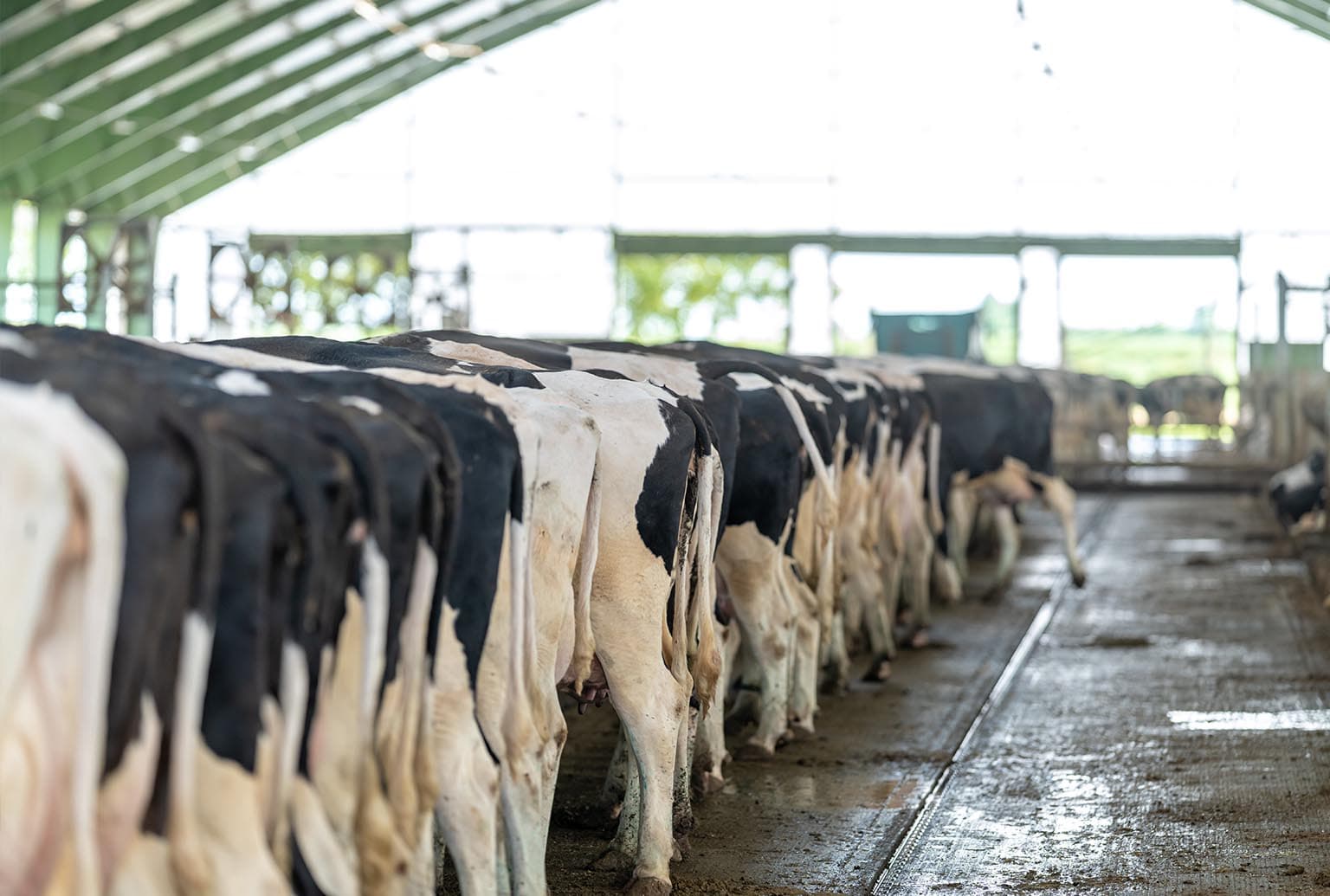
Are Cow Mats Still Enough for the Modern Dairy Shed?
Cow mats have been used in dairy sheds for many years to make hard surfaces softer and more comfortable. But today’s dairy sheds need more from their floors than just softness.
Now, the floor also needs to help with movement, grip, hygiene, cleaning, durability, and making sure cows and people feel confident walking on it.
That is why we believe it is worth stepping back and asking a more useful question. Are cow mats still enough on their own, or are farmers now looking for something broader from the floor? From what we see on farms, the answer often depends less on the mat itself and more on how the full environment performs in daily use. Wet patches, slipping, inconsistent scraping, and hesitant movement are usually not caused by a single issue. They often come from flooring type, layout, drainage and surface finish not working well together.
Cow Mats Still Have a Place, but the Conversation Has Changed
We’re not saying cow mats aren’t useful. In the right place, they still make floors more comfortable than bare concrete, which is why they became popular. But in many modern dairy sheds, comfort is just one factor. Farmers also need floors that stay dry, let cows walk naturally, and can handle regular scraping and daily use.
This change means we need to judge cow mats differently. Now, the question is whether they work well for the whole life of the shed. Sometimes mats help at first but later trap slurry, lift at the edges, or make cleaning harder. In those cases, they might fix one problem but cause another.
The Modern Dairy Shed Expects More From the Floor
Modern dairy sheds are busy places. Cows need to move confidently through passages, parlour exits, yards, and housing areas. Staff need floors that are easy to clean and stay reliable with daily use. The building should support welfare and hygiene, not just when it’s new but for years to come. Flooring is a key part of this system, since the materials and layout chosen at the start affect lameness, cleaning, and daily routines.
That’s why what we call a “good floor” has changed. It’s not just about how soft the floor feels at first. A good floor keeps working well under pressure, helps cows move easily, is easy to scrape, and helps keep things clean. If a floor can’t do all that, even with cow mats, it may not be enough for today’s dairy sheds.
Why Movement and Confidence Matter So Much
One of the biggest changes in dairy housing is the growing focus on movement. We see time and again that when One of the biggest changes in dairy housing is the focus on movement. When cows don’t feel confident on the floor, it shows in how they act. They hesitate, take shorter steps, bunch up in certain spots, or avoid moving through some areas. Over time, this can affect welfare, work efficiency, and how well the shed runs. In some sheds, especially older ones, mats were added to improve comfort on an existing floor. That made sense at the time. However, when we assess modern sheds, we usually need to think more broadly about how the full floor performs across passages, wider areas and movement-heavy points.
Cleaning Performance Is Part of Flooring Performance
Another reason the role of cow mats is changing is that cleaning is now more important than ever. If a floor is hard to scrape, holds moisture, or leaves residue, it affects daily work. It impacts hygiene, how dry the surface stays, and how much effort is needed to keep the shed running well. That’s why comfort and cleaning need to go hand in hand.
Sometimes mats trap slurry and moisture underneath, which makes cleaning harder over time. This doesn’t mean all mats are bad, but farmers shouldn’t assume that softness alone means better flooring. Often, it’s more useful to look at how the floor holds up after lots of use, scraping, and daily exposure to slurry and washing.
Why We Think Farmers Are Reassessing Cow Mats
In our experience, most farmers aren’t giving up on cow mats completely. They’re just expecting more from their floors. They want floors that let cows move naturally, stay dry, are easy to clean, and help the shed run better overall. That’s more than cow mats alone were ever meant to do.
That’s why we often talk about zoning and use areas. No single flooring solution works everywhere in a shed. Different systems are better for different spots, and layout really matters. A passage, a parlour exit, and a wide scrape area all have different needs. Instead of using cow mats everywhere, it’s better to ask what each area really needs.
What We Think Good Flooring Performance Actually Looks Like
To us, good flooring is about balance. The floor should support animal welfare, match how the shed is used, and last long enough to be worth the investment. It also needs to give good grip, help keep things clean, and allow steady movement throughout the building. These are the standards we believe modern dairy flooring should meet.
This is also why we think integrated flooring systems deserve more attention now. When a floor is designed as a complete system from the beginning, instead of being improved later with overlays or add-ons, it’s easier to keep surface height, grip, and cleaning performance consistent. Our AgriStride systems were built with this in mind, using concrete and rubber together in one precast unit instead of adding mats later.
Summary
So, are cow mats still enough for today’s dairy sheds? In some places, they can still help. But we don’t think they should always be the first choice. Modern dairy housing expects more from the floor, and farmers are now looking at movement, hygiene, grip, durability, cleaning, and long-term use as part of a bigger picture.
Our view is straightforward: good flooring moves beyond softness. It’s about how the whole floor performs every day, throughout the shed’s life. When farmers look at cow mats in this bigger context, it’s clear why the conversation is changing.
FAQs
Are cow mats still useful in dairy sheds?
Yes, cow mats can still improve comfort in some settings, but they may not address wider issues such as grip, hygiene and scraping performance on their own.
Why are farmers rethinking cow mats?
Many farmers now want more from the floor overall, including better movement, drier surfaces, easier cleaning and longer-term consistency.
What are the common issues with cow mats?
Issues can include mats lifting or curling, slurry and moisture trapping underneath, and increased cleaning effort over time.
What should modern dairy flooring be judged on?
It should be judged on welfare, grip, cleanliness, movement, durability and how well it fits the real use of the shed.