
What farmers should consider before replacing worn cow mats
Cow mats play an important role in cattle housing, but wear and tear can affect their performance over time. Learn the key signs that replacement may be needed, what to consider before upgrading, and why more farmers are looking at long-term flooring solutions for high-traffic areas.
Cow mats are a type of flooring commonly used in cattle housing, especially in areas where cows stand or rest, such as cubicle areas. They make daily use easier and give cows a more comfortable surface than bare concrete.
Because cattle housing is divided into different functional areas, cow mats are often used alongside other flooring solutions as part of a wider shed design. However, as farming systems become more intensive, there is an increasing focus on how flooring performs over the longer term.
This blog explores what farmers are thinking about when it comes to how long cow mats last and why planning for long-term flooring is more important than ever in today’s cattle housing.
Signs it’s time to replace your cow mats
Cow mats in livestock buildings get used nearly all the time, so their condition depends on things like herd size, foot traffic, and cleaning routines. This means you should replace them based on their condition, not just how long they’ve been in place.
Several signs can indicate that cow mats may be approaching the point where replacement is needed. These can include:
- Visible wear or surface degradation
- Sections lifting or moving under pressure
- Increased difficulty keeping clean
- More frequent build-up of residue or moisture
- General loss of consistency on heavily used routes
These changes usually happen gradually, so they can be easy to overlook until they start affecting daily work. That’s why more farmers are planning ahead and including flooring replacement in their long-term maintenance plans instead of waiting for problems.
Moving towards longer-term flooring solutions
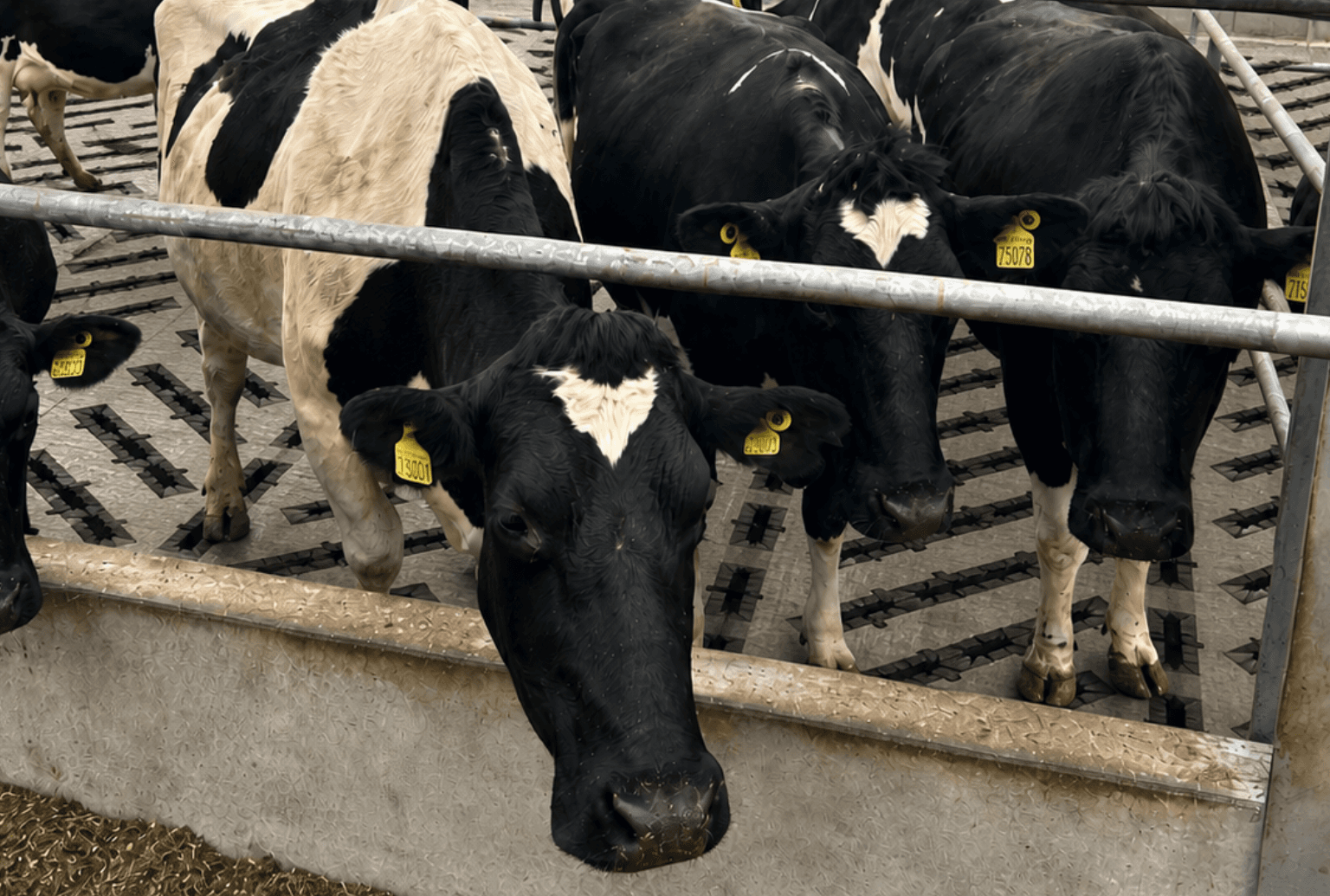
Cow mats are still helpful in cattle housing, especially where cows need extra comfort and protection. But more permanent slatted flooring systems, like AgriStride, can be a good choice in parts of the shed with constant movement and heavy traffic. Using permanent flooring alongside or instead of removable mats in these busy areas can cut down on how often you need to replace them, reduce maintenance disruptions, and keep the surface more consistent for daily use.
In places like feed passages, collecting yards, and crossover points, permanent slatted flooring systems such as AgriStride provide a long-term solution that can handle constant use and need fewer repairs.
Knowing how cow mats wear out over time and spotting when replacement is no longer the best option helps farmers make better flooring choices throughout the building, especially in high-traffic areas where durability and consistency matter most.
FAQs
How often should cow mats be replaced?
How long cow mats last depends on things like herd size, how much traffic they get, cleaning routines, and how different parts of the building are used. Mats in busy areas may wear out faster than those in quieter spots.
What are the signs that cow mats need replacing?
Common signs include visible wear, mats moving or lifting in some spots, more trouble keeping them clean, and a slow loss of consistency in areas that get used a lot.
Why do cow mats wear out over time?
Cow mats go through constant pressure, movement, cleaning, and changing conditions. Over time, these factors can wear down the surface and structure, especially in areas that get a lot of use.
What should farmers consider when replacing cow mats?
When planning to replace cow mats, farmers often think about how installation might disrupt work, how easy it is to reach different parts of the building, the timing in the farming year, and what maintenance will be needed in the long run.
Do cow mats need to be replaced all at once?
Not always. In some setups, you can replace cow mats in stages, depending on how they wear, the building layout, and what your operation needs.