
Understanding the link between cattle health and increased milk production
Milk yield depends on cow health; strong physical and mental condition boosts cow performance for farmers.
Differences in milk production among cows are often linked to health. Cows must be in good physical and mental condition to achieve optimal performance. For dairy farmers, this means higher milk yields. A healthy cow is more productive. Farm management decisions, such as feeding routines and veterinary care, directly affect cow health. As a result, these choices affect both the quantity and quality of milk produced.
Neglecting cattle health results in significant consequences; for example, illness, inadequate nutrition, or stress can sharply reduce or stop milk production. In contrast, well-managed cows maintain consistent yields, live longer, and contribute to the profitability of the dairy operation. This highlights the direct relationship between management and milk yield.
Nutritional Requirements for High Milk Yield
Providing the correct balance of nutrients is essential for supporting milk synthesis. Cows require energy, protein, fibre, minerals, and vitamins in specific proportions to achieve their full lactation potential.
Energy comes mainly from carbohydrates and fats. These are essential for maintaining the body and for milk production. Proteins support tissue repair and produce milk proteins, such as casein. Fibre keeps the rumen functioning well. Micronutrients, including calcium, phosphorus, magnesium, and vitamins A, D, and E, are critical for metabolic functions.
Feeding unbalanced nutrients disrupts the cow's system. Too much grain and not enough fibre can cause acidosis, which harms the cow. Acidosis also significantly reduces milk production, with typical losses estimated at 1 to 2 litres per day. A lack of calcium may cause milk fever, especially in cows that have just calved, leading to a decrease in milk yield by up to 5 litres per day. Farmers should also tailor diets based on lactation stages. Fresh cows (those that have just calved) need high-energy diets to kickstart milk production, while dry cows need lower-energy but nutrient-rich feeds to prepare for the next lactation cycle.
Effective feeding strategies require observation, testing, and ongoing adjustment. Regular body condition scoring, feed analysis, and consultation with a livestock nutritionist support optimal milk production in dairy operations.
Digestive Health and Milk Production
The rumen is a key component of the cow's digestive system. It serves as a fermentation chamber that breaks down fibrous plant material into usable energy. This process is central to efficient milk production.
A healthy rumen works like a finely tuned machine. The microbes inside produce volatile fatty acids (VFAs), supplying about 70% of the cow’s energy needs. That energy powers milk synthesis in the udder. Problems arise when the rumen pH is low, typically below 5.8, which indicates sub-acute ruminal acidosis (SARA). When the fibre-to-concentrate ratio is off or the feed quality is poor, it disrupts the entire system. These imbalances lead to reduced performance, highlighting the importance of monitoring rumen pH to ensure optimal cow health and milk production.
Sub-acute ruminal acidosis (SARA) is a common issue caused by excess grain and insufficient fibre. Although cows may appear healthy, SARA can lead to digestive problems, reduced feed intake, lower milk fat content, and decreased yields.
Proper fibre levels, regular feeding times, consistent feed composition, and access to fresh water all help maintain rumen health. A well-functioning digestive system ensures that every bite of feed is converted into productive energy, which directly translates into a higher milk yield.
Disease Management and Prevention
Even with optimal feed and housing, disease in cows reduces milk production. Some diseases cause lasting damage to productivity, particularly if not identified and treated promptly.
Some of the most damaging diseases in dairy herds include:
- Mastitis (inflammation of the udder)
- Bovine Respiratory Disease
- Foot and mouth disease
- Johne’s disease
- Reproductive infections
These health issues cause stress and inflammation. The cow uses energy to fight illness instead of producing milk. Diseases such as mastitis can also contaminate milk, making it unusable.
Prevention is always cheaper and more effective than treatment. That means:
- Vaccination programs tailored to herd risks
- Quarantine protocols for new or sick animals
- Clean housing and milking environments
- Tailored living environments
- Regular veterinary check-ups
Monitoring systems are increasingly used to detect early signs of illness. Proactive disease management is necessary, as even one infected cow can negatively affect overall herd performance.
Stress and Its Effect on Milk Yield
Stress is a significant factor that can reduce milk production in cows. Like humans and other animals, cows under stress do not perform optimally.
Stress in dairy cows comes from many sources:
- Handling by humans
- Loud noises or unfamiliar environments
- Poor housing or overcrowding
- Temperature extremes (especially heat stress)
- Transport or separation from the herd
Stress in cows increases cortisol production. This hormone suppresses milk let-down and disrupts metabolism. Short-term stress can immediately reduce milk output. Long-term stress results in lower fertility, higher disease risk, and ongoing poor performance.
Heat stress is a major concern, especially for high-yielding cows. These cows generate more heat from eating more feed. Without cooling from shade, fans, or sprinklers, milk yields decline in hot weather.
Creating a low-stress environment includes:
- Calm and consistent handling
- Adequate space per cow
- Good ventilation and cooling systems
- Adequate safe flooring
- Minimal disruptions to daily routines
Cows benefit from a stable and comfortable environment, which allows them to allocate more energy to milk production rather than responding to stress.
Adequate Housing and the Role of AgriStride Hybrid Cattle Slats
Comfort in housing starts with the flooring. Adequate housing gives cows a clean, safe, and low-stress environment. This lets them move freely, lie down comfortably, and express natural behaviours. Poor housing raises stress, causes more lameness, and increases disease risk. It also reduces milk production.
Flooring is critical for cow comfort. Concrete slats or bare surfaces may strain joints, cause slips, and lead to lameness. Lameness reduces a cow’s ability to move, stand, and feed well. AgriStride hybrid cattle slats help prevent these issues in modern dairy herds.
AgriStride slats are designed to improve cow comfort, hoof health, and hygiene. The hybrid surfaces provide cushioned and durable support similar to natural terrain. Key benefits include:
1. Reduced Lameness and Improved Hoof Health
Lameness is a major cause of reduced productivity. Lame cows eat less, rest more, and may not reach the feed bunk. This lowers milk yield. AgriStride slats promote natural movement and reduce joint impact. The shock-absorbing surface eases pressure on hooves, helping prevent wear, bruising, and stress fractures.
2. Encouragement of Natural Movement
Cows behave better when they feel safe on good flooring. AgriStride’s surface texture and spacing provide grip and comfort. Cows can walk, stand, and lie down confidently. This movement supports blood circulation, digestion, and feed intake. All these factors contribute to higher milk production.
3. Enhanced Cleanliness and Hygiene
Hygiene is critical for good housing. Wet, dirty surfaces increase the risk of mastitis, hoof infections, and bacterial contamination. AgriStride hybrid slats drain well and keep hooves and bedding clean. This lowers pathogen exposure and reduces labor and vet costs associated with sanitation. By maintaining cleaner environments, farmers could potentially reduce labor costs related to frequent cleaning by up to 30%, and veterinary costs by 20% due to decreased incidence of infections.
4. Longer Lying Times = More Milk
Research shows that cows produce more milk when they lie down for 12 to 14 hours a day. Comfortable areas with good flooring encourage this. Laying areas should have good-quality rubber coverings or a thick layer of quality straw on top of any slats - exposed concrete is not suitable for extended periods of laying. Lying down boosts blood flow to the udder, supporting milk production.
AgriStride flooring in housing systems improves welfare and the bottom line. Better hooves, cleaner barns, and increased mobility raise milk yields. It also reduces vet bills and helps cows stay productive longer.
The Importance of Clean Water
Water is essential for milk production. Milk is about 87% water. A lactating cow might need up to 100 litres (26 gallons) of water per day, depending on temperature and yield. The water must be clean for the best results.
Contaminated water containing bacteria, heavy metals, or excess nitrates can cause digestive problems, reduce feed intake, and lower milk output. Limited access to water, due to inadequate trough design or frozen pipes, also restricts intake and negatively affects feed digestion and milk synthesis.
Farmers should ensure:
- Constant access to clean, fresh water
- Well-maintained waterers or troughs
- Regular water quality testing
Water directly connects cow health to milk production. This makes it a critical factor in dairy farming.
Milking Practices and Equipment
Milking practices affect yield directly. Over-milking, under-milking, or bad equipment can stress the udder. These issues raise mastitis risk and reduce production.
Best practices include:
- Milking cows at consistent times
- Keeping milking parlours clean and calm
- Ensuring machines are calibrated and serviced
- Avoiding excessive milking duration
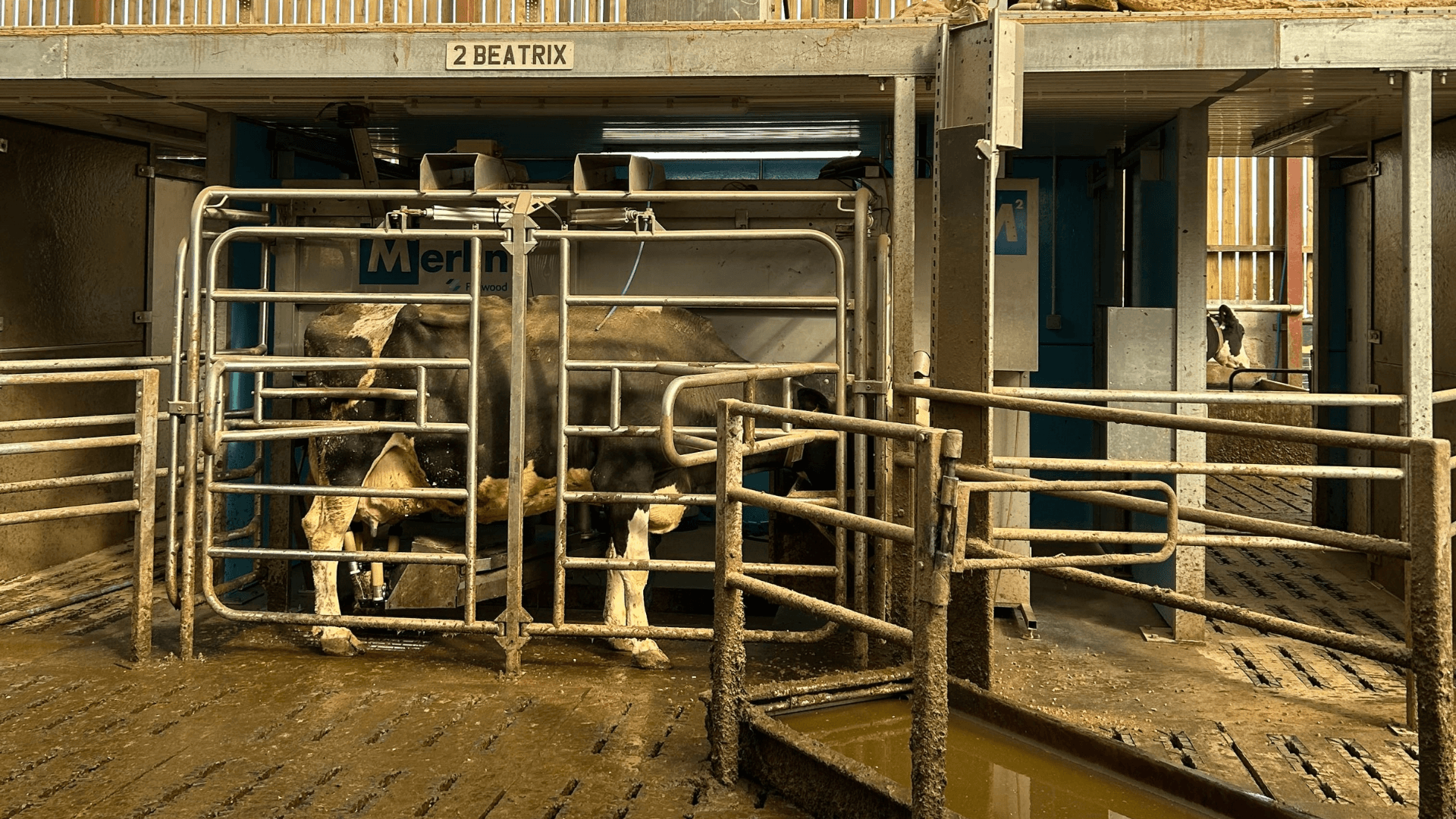
Some farms use automated milking systems (AMS). These systems let cows be milked on demand. Managed well, AMS can lower stress and improve yields.
In dairy farming, milk production depends on cow health. Nutrition, digestion, stress, disease control, reproductive health, and water all impact milk yield. Achieving high yields takes consistent, attentive management.
Prioritising cattle health is an effective strategy to increase milk yield, improve quality, reduce veterinary costs, and support sustainable operations. Healthy cows are central to profitable dairy farming.