
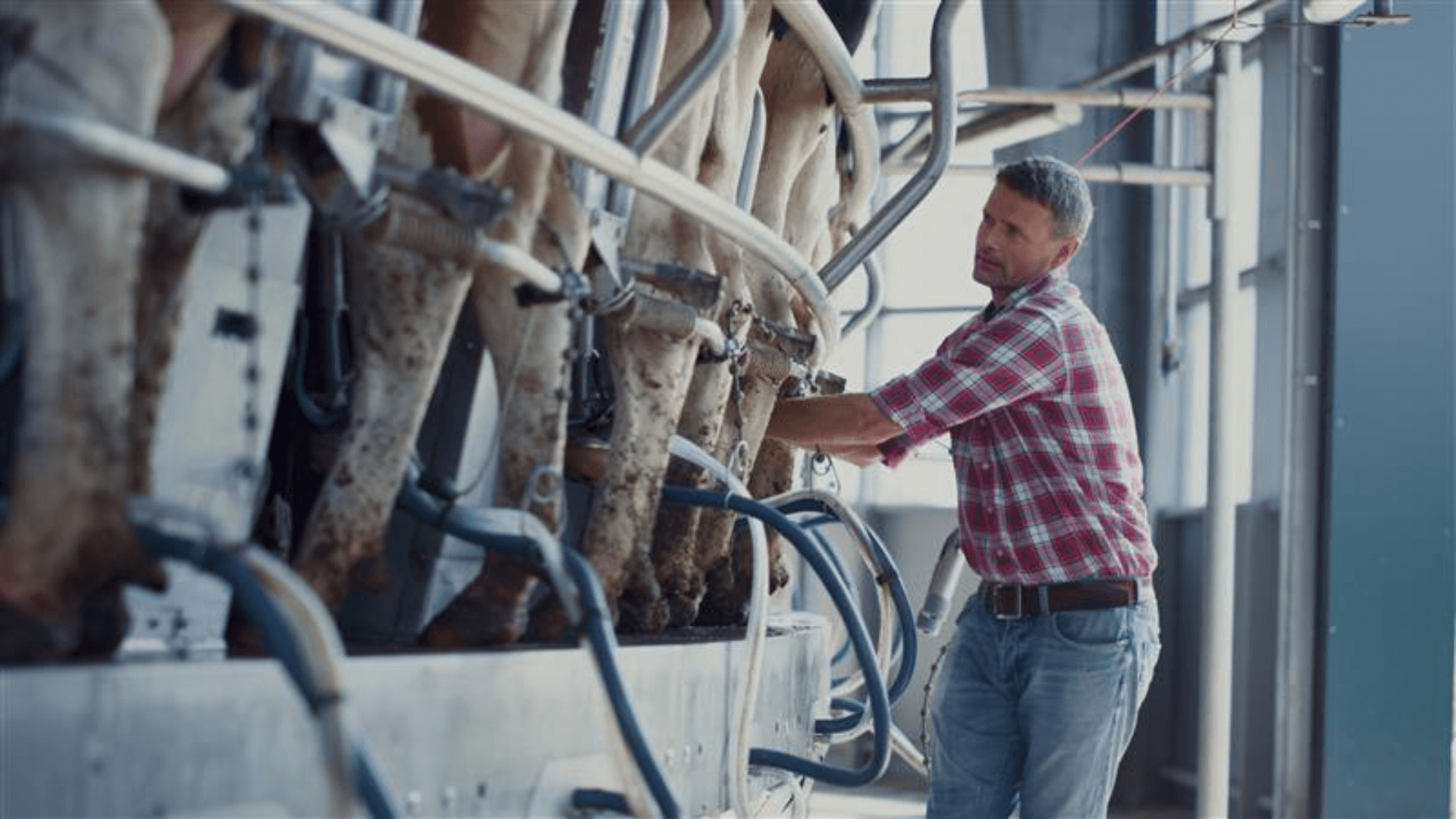
The best dairy housing systems for healthy, productive cows
UK dairy farms now prioritise welfare, productivity and sustainability; understanding each housing system helps farmers choose what fits.
Imagine entering a modern dairy farm and witnessing how technology and tradition come together. Over the past decade, UK dairy farms have transformed with greater emphasis on cow welfare, productivity, and sustainability. Housing systems play a central role in this, impacting cow health, milk production, and disease risk. This evolution goes beyond meeting regulations; it's about balancing productivity with ethical and environmental responsibilities.
Although no system is flawless, recognising the strengths and weaknesses of each enables UK farmers to make informed decisions suited to their herd, land, and resources. In this discussion, we’ll examine modern housing choices, emphasising how design, flooring, and ventilation influence animal welfare and farm efficiency.
Why Dairy Housing Systems Matter
Because the UK has wet winters and unpredictable summers, cows often need to be indoors for long periods. This makes the housing environment very important for their health, productivity, and behaviour. Good housing should aim to:
- Minimising stress and injury
- Supporting natural cow behaviour (e.g., lying down, rising easily)
- Ensuring clean, dry conditions to reduce mastitis and lameness risk
UK welfare rules, such as those in the DEFRA Code of Recommendations for the Welfare of Livestock: Cattle, set out requirements for space, bedding, lighting, and ventilation. Following these rules protects the cows and helps farmers avoid legal issues or damage to their reputation.
Factors That Influence Housing Choice in the UK
When selecting or upgrading a housing system, dairy farmers must consider:
- Climate: With frequent rainfall and mild winters, farmers need to pay close attention to drainage and ventilation.
- Herd Size: Bigger herds may need more automation, while smaller farms can be more flexible.
- Soil Type and Drainage: Critical for any outdoor or hybrid system.
- Labour: Housing that saves time and effort can lower costs over time.
- Costs: Some systems cost more to set up but are cheaper to run in the long term.
Sustainability is a crucial aspect of modern dairy farming, with more emphasis now on cutting emissions (lowering the release of greenhouse gases, such as methane from cows, into the air) and preventing nutrient runoff (the movement of excess nutrients like nitrogen and phosphorus from manure into rivers or groundwater). By adopting better housing systems, farms can potentially reduce greenhouse gas emissions by up to 20% and improve nutrient management efficiency by 30%. These improvements not only align with environmental goals but also enhance the farm's operational resilience.
Freestall (Cubicle) Systems
Freestall systems, or cubicle housing, are the most common indoor setup on dairy farms. Cows have their own spaces to lie down whenever they want. Optimal cubicle dimensions (about 1.2 to 1.3 meters wide and 2.4 to 2.5 meters long) let cows lie comfortably and rise easily. Bedding depth should be at least 7 to 10 cm with quality materials like sand or mattresses with sawdust, which improves comfort and reduces injury. Meeting these specifications supports cow comfort and farm efficiency.
Key features:
- Cow comfort depends on cubicle size, bedding, and how the stall is built.
- Common bedding includes sand, straw, or mattresses with sawdust.
- Floors are usually concrete, often with grooves or rubber mats to help cows keep their footing.
Stalls need to be lined up well and give cows enough room to lie down safely. Research from AHDB Dairy shows that if cubicles are poorly designed, cows spend less time lying down, which can lead to lower milk yields and increased lameness. Each extra case of lameness can cost approximately £180, highlighting how poor cubicle design can directly impact a farm's profitability. By prioritising optimal stall design, farmers can enhance cow comfort and farm efficiency, ultimately boosting their economic outcomes.
Tie-Stall Housing
Tie-stall housing, where cows are tied in place, is now rare in the UK because of welfare and labour concerns. It lets farmers watch each cow closely, but it limits movement and can lead to behavioural problems.
Some old or very small farms still use tie-stalls, but most are moving away from them. Farmers must still make sure cows get enough time to lie down and can move freely, as UK rules require.
Loose Housing (Straw Yards and Deep-Bedded Areas)
Loose housing lets cows move around, lie down, and mix with others in a big shared area. These setups often use deep straw bedding, which needs to be kept clean and dry with regular upkeep. On average, farmers might need to allocate 3-4 kilograms of straw per cow per day to maintain a clean environment.
Advantages include:
- Lower infrastructure costs
- Improved cow behaviour and reduced injury risk
But these systems also need:
- Higher bedding input
- More intensive manure and ammonia management
Space can be challenging. DEFRA requires at least 1m² per 100kg of cow, so managing large herds in loose housing can be demanding.
Pasture-Based and Hybrid Systems
An increasing number of UK farmers are embracing regenerative and low-input farming by keeping cows on pasture longer and incorporating grazing into their systems. Grazing can enhance cow condition and reduce indoor workload, but presents its own limitations.
Key considerations:
- How long cows can graze depends on soil health and the weather.
- Many farmers use a mix of pasture and barns, moving cows between them as the seasons change.
This approach also meets what many consumers want, since pasture access is seen as a sign of good animal welfare.
The Role of Ventilation in Cow Health
Good ventilation is essential in dairy housing. High humidity, especially in winter, can cause breathing problems and make bedding damp. A simple rule of thumb for assessing ventilation is that if you can smell ammonia in the barn, it may indicate inadequate ventilation. Regular checks can help ensure a healthy and comfortable environment for the cows.
Natural ventilation, such as open ridges and side walls, is common in many barns. In crowded or older buildings, fans or tube systems help move air and keep cows cool.
Good airflow:
- Removes moisture and gases (like ammonia)
- Keeps bedding drier
- Supports udder and respiratory health
Flooring and Bedding Considerations
Floor and bedding quality directly affect hoof health, cleanliness, and how cows lie down. In freestall and loose housing, floors need to balance grip, comfort, and drainage.
AgriStride offers a hybrid cattle slat that combines traditional slatted floors with new rubber inserts to reduce slip risk and support hoof health. These slats give better support and separate manure more effectively, which is important for keeping high-traffic areas like parlour exits and feed alleys dry and clean.
When using slats, it is important to choose the right gap size and surface to remove manure effectively while still keeping cows comfortable.
Slurry Management and Cleanliness
UK farms are under increasing scrutiny for nutrient management, particularly in NVZs (Nitrate Vulnerable Zones). Housing systems must support efficient manure handling to minimise environmental impact.
Options include:
- Slatted floors with slurry channels
- Manual scraping or automated alley scrapers
- Dedicated slurry storage compliant with SSAFO regulations
Housing that keeps cows clean helps udder health, cuts disease risk, and can lower bedding costs.
Lighting, Space, and Enrichment
Light does more than help cows see. It affects their hormones and the amount of milk they produce. Research shows cows do best with 16 hours of light (150–200 lux) and 8 hours of darkness.
Space needs change depending on the system, but usually include:
- 1 cubicle per cow (plus a few extras)
- 60–75 cm of feed space per head
- Sufficient alley width to allow two-way cow flow
More UK farms are adding simple enrichment, such as brushes and scratchers, to help cows feel better and act more naturally.
Technology and the Future of Dairy Housing
Robotic milking is changing how barns are built. Housing needs to be set up so cows can move easily and choose when to be milked.
UK farmers are also exploring:
- Climate-smart barns with sensor integration
- Energy-efficient ventilation and lighting
- Data-driven welfare monitoring
AgriStride’s floors are made to work with new technology, helping farms stay clean and reduce their impact as the industry aims for net zero.
For dairy farmers, choosing the right housing system is a big decision that affects everything, from cow health to compliance with environmental rules. No system is perfect, but the best ones are comfortable, clean, well-ventilated, and efficient.
New ideas, like AgriStride’s hybrid cattle slats, show how technology can help improve welfare and keep housing cleaner. This is especially important with UK rules and changing weather.
Whether you are upgrading an old shed or building something new, planning your housing carefully and using data can bring long-term benefits for both cows and farmers.