
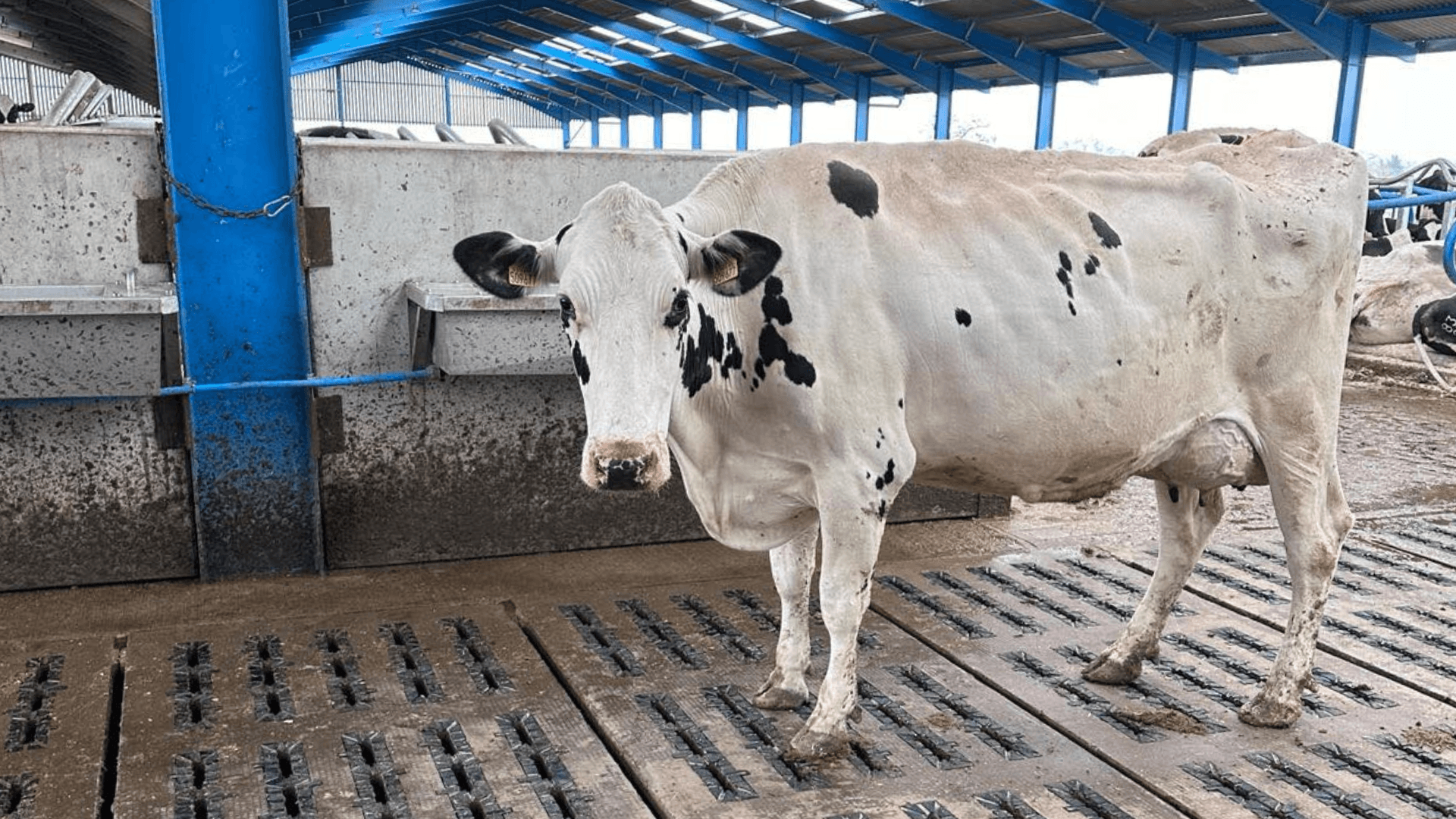
The best flooring for cow sheds in milking areas
In milking areas, good flooring supports both animal welfare and productivity. Here’s what you need to consider when planning flooring for this vital part of your cow shed.
When it comes to managing a modern UK dairy operation, few areas demand more from your infrastructure than the milking zone. This high-traffic, high-stress environment must balance hygiene, animal comfort, and operational efficiency - often under wet, dirty, or fast-paced conditions.
Many farms still use basic or old flooring, which can cause more slips, lameness, and cleaning problems. The real costs of these issues are significant: slips can lead to lost litres of milk production, additional vet fees, and even the heartbreaking decision to cull injured animals. Upgrading the flooring in milking areas can dramatically improve herd welfare and make milking more efficient, saving both money and livestock.
Wolfenden Concrete has worked with many UK dairy farms to design and supply precast concrete flooring for agricultural use. In milking areas, good flooring supports both animal welfare and productivity.
Here’s what you need to consider when planning flooring for this vital part of your cow shed.
Why milking area flooring needs to be different
The milking zone is a unique environment on any dairy farm. Unlike resting or feeding areas, the milking parlour and its surrounding passages are:
- Constantly wet, due to washdowns, cleaning routines, and slurry runoff
- Heavily trafficked, with cows moving in and out in large numbers, often under time pressure
- Stressful environments for cattle, especially first-lactation animals
Flooring that works elsewhere in the shed can become a hazard in the milking area. If cows slip or feel unsure, milking slows, stress increases, and hoof health can be harmed over time. On the other hand, with the right flooring, cows move confidently, shaving 10 minutes off each milking session and reducing stress while promoting better hoof health.
This is why the flooring for cow sheds in milking areas must offer:
- Slip resistance in both dry and wet conditions
- Good drainage to reduce standing water and slurry
- Comfort underfoot to support hoof and joint health
- Ease of cleaning for optimal hygiene
Taking these factors into account leads to safer cows, better working conditions for staff, and a more efficient milking process.
Critical features of high-performance milking area flooring
Based on experience with dairy clients, there are a few key features that make milking area flooring perform well.
Slip resistance that’s built to last
Traction is essential. Milking parlours and holding areas often have slurry, water, and heavy use, which can make smooth surfaces slippery.
We manufacture precast hybrid concrete slats with inserts, specifically designed to offer reliable traction, even in tough conditions. Our groove patterns are engineered to suit the natural gait of cows, reducing the risk of:
- Slips and falls
- Shortened stride due to hesitancy
- Lameness caused by repeated strain on hooves
Our surfaces keep their grip over time. The inserts are seamlessly engineered into the concrete, so they last longer than other finishes that can wear out or peel.
Efficient drainage design
Proper drainage is important in the milking parlour. Poor water management affects hygiene, reduces slip resistance, and can cause hoof problems.
That’s why our flooring is designed with:
- Sloped surfaces to channel water towards drains
- Integrated drainage channels for consistent flow
- Compatibility with automated cleaning systems
A good layout is important. Even well-grooved floors can fail if water collects in low spots. Working with an expert during shed design or retrofit can help avoid these problems.
Hygiene and cleanability
Dairy regulations demand regular, thorough cleaning and easy inspection of milking and housing areas. Flooring must therefore support fast, effective wash-down without compromising durability or animal welfare.
Our product range, AgriStride, offers a hybrid rubber-insert system, delivering a flooring solution engineered specific for superior cleanability and long-term hygiene performance.
AgriStride inserts offer:
- Optimised surfaces that stay cleaner for longer
- Layouts designed for efficient cleaning
- No cracks or weak points that harbour bacteria
- Resilience to repeated washing and disinfectants
Material matters: concrete vs other options
Let’s examine how concrete compares to other common materials used in milking parlours:
Material | Pros | Cons |
Concrete | Durable, non-slip, hygienic, long life | Heavy, requires proper installation |
Rubber Mats | Softer underfoot, easy to install | Can shift, wear, become unhygienic |
Bedded Solid Floor | Comfortable, easy to fit, flexible options | Can wear, cost more, become unhygienic |
Concrete is a balanced choice. It needs more planning at installation, but it lasts longer and performs better for hygiene and animal safety.
When made to high standards, concrete is not basic. It can be engineered to meet the needs of milking areas.
Designing the layout: it’s not just about the surface
Good flooring needs the right layout to work well. It is important to consider the whole system when planning.
Key layout considerations include:
- Flow of animals: Avoid sharp turns or bottlenecks. Flooring should encourage calm, confident movement.
- Water management: Place drains where water naturally flows - not just where it’s convenient to install.
- Equipment compatibility: Ensure scraper systems or cleaning robots work with your flooring texture and grooves.
- Staff pathways: Don’t forget human users - walkways should be slip-resistant and separate from slurry zones.
A good layout and the right materials reduce animal stress, make milking faster, and lower maintenance needs over time.
Wolfenden Concrete: Experience, engineering, and ethics
Our flooring is based on experience in British agriculture. We understand the challenges of running a dairy unit, including labour and regulations.
Our precast concrete flooring is:
- Manufactured in-house in the UK, using quality-controlled materials
- Customised for livestock use, not just adapted from commercial construction
- Designed with real-life farm feedback in mind
We work with farmers, vets, and construction teams to make sure the details are right. The goal is to provide flooring that works well on the farm.
When is the right time to upgrade your milking area flooring?
Identifying the right time to upgrade your milking area flooring can be crucial for maintaining an efficient and safe operation. Consider asking yourself the following questions:
- Are cows slipping or hesitating in the parlour?
- Are you experiencing regular vet visits for foot or joint issues?
- Is there pooling water after washdowns?
If you answered 'yes' to any of these questions, it might be time to consider an upgrade.
Upgrading milking area flooring, whether in a new build or retrofit, can quickly improve cow safety, staff productivity, and compliance.
Flooring in milking areas needs to be strong, reduce slips, resist water, be easy to clean, and support herd health while handling daily use.
We believe good flooring can, and should, do all of that.
FAQs
1. What surface finish is best for cow safety in collection?
A hybrid rubber-insert precast concrete finish offers the best long-term traction and hygiene. Our grooves are designed specifically for livestock movement and effective slurry drainage.
2. Can Wolfenden flooring be retrofitted into existing sheds?
Our AgriStride slats are thicker and manufactured in different lengths to traditional slats, so they are not a direct like-for-like replacement. As a result, retrofitting them into an existing floor is more complex and may require lifting and modifying sections of the floor. We would advise that in many cases, they are better suited to new builds or major refurbishments.
3. How long does precast concrete flooring last in a milking area?
With proper installation and maintenance, our slats can last 20–30 years or more. They resist wear, water, and chemical cleaning agents.
4. How often should milking area floors be cleaned?
Daily wash downs are standard for hygiene compliance. Our flooring is designed to handle regular pressure washing and chemical disinfection.
5. Can your flooring work with robotic milking systems?
Yes. We regularly supply flooring for robotic parlours and have experience designing around the unique needs of automated systems.