
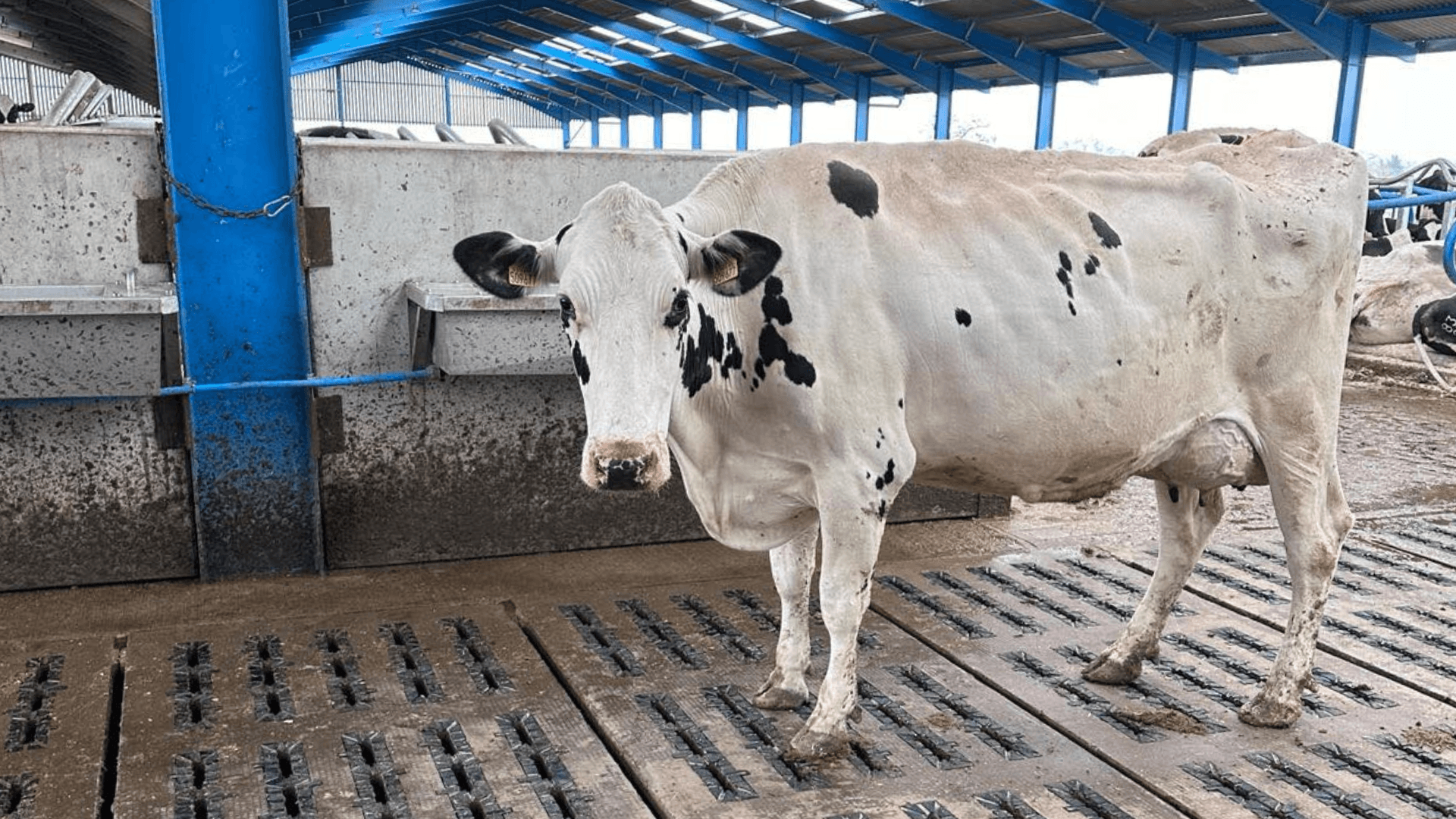
How often should cattle slats be replaced? Signs your cattle slats could be costing you money
Cattle slats can lose performance long before they fail structurally. Discover the warning signs of ageing slats, how they can affect cow welfare and farm efficiency, and when it may be time to consider a replacement.
When people think about cattle slats, the conversation usually focuses on whether they are still “holding up.” If the concrete is intact and the shed is still functioning, it is easy to assume the cattle slats are still doing their job.
But problems with cattle slats rarely start with a complete failure. In many livestock buildings, the real costs begin much earlier through reduced grip, slower slurry movement, surface wear, and changing cow behaviour. Over time, cattle may hesitate on walkways, hoof pressure can increase, and cleaning routines become more difficult.
The real question is not simply whether cattle slats are still in place. It is whether those cattle slats still support the way a modern livestock building needs to operate.
Why ageing cattle slats become a hidden operational cost
Traditional concrete cattle slats were built to last, and many systems remain structurally strong for decades. However, modern dairy farming now places far more pressure on cattle slats than it did twenty or thirty years ago.
Herds are larger, machinery is heavier, and scraping systems work harder. Cattle are also moving through buildings more frequently than before. This means cattle slats now need to support hygiene, confident movement, slurry management, and hoof health all at the same time.
The challenge is that older cattle slats often wear out gradually, making changes difficult to notice day by day. Small issues can slowly build up until the whole shed becomes less efficient to manage.
The warning signs your cattle slats may need replacing
From our work with livestock buildings across the UK, we have seen several clear signs that flooring is not working as it should.
1. Reduced grip and lower cow confidence
One of the earliest warning signs often appears in how cows move around the building. Cows naturally adjust their movement when cattle slats become slippery or uncomfortable. You may notice hesitation around corners, slower movement into collecting yards, or cows spreading their weight differently while walking.
Cow confidence is often overlooked, but it plays a major role in how smoothly the building functions. If cattle no longer trust the slats beneath them, movement around the shed changes, which can affect feed access, parlour flow, and overall stress levels.
2. Slurry is no longer clearing effectively
Well-designed cattle slats should help slurry move efficiently through the system. As cattle slats age, surfaces can wear down and channels may become less effective. This can lead to slurry remaining on the surface for longer periods, creating hygiene problems, raising ammonia levels, and increasing the risk of hoof issues.
Many farmers initially assume more scraping is the answer, but in many cases the problem starts with cattle slats that are no longer performing efficiently.
3. Increased hoof and joint problems
Cattle slats directly affect the pressure placed on hooves and joints every single day.
Worn or uncomfortable cattle slats can contribute to hoof wear, slip injuries, joint strain, and increased lameness. Even relatively small changes in comfort levels can alter how long cows spend lying down and how confidently they move around the building.
4. Surface wear and structural deterioration
One of the more obvious signs, but one you should never ignore, is visible wear. Chipped edges, cracks, smooth surfaces, widening gaps, and uneven settling all show that the floor may not be working as it should. Some ageing is normal, but these problems can quickly become safety risks for both animals and equipment.
Thinking about long-term cattle slat performance
There is no exact replacement timeline for cattle slats because lifespan depends on installation quality, herd size, traffic levels, slurry exposure, and daily wear.
When reviewing your cattle slats, one of the most useful questions is not simply “do they still work?” but whether the system is still suitable for the next ten to twenty years of the building’s use. Modern cattle slat systems now need to support heavier machinery, changing welfare standards, lower labour demands, and more efficient slurry management.
We see more farms looking at cattle slats as part of wider building performance rather than simply a structural requirement. Strength and lifespan still matter, but so do grip, slurry flow, cow confidence, and day-to-day management.
This is where systems like AgriStride come in, offering a more modern slat solution designed to improve durability, enhance cow comfort and confidence underfoot, and support better slurry passage for easier day-to-day management.
If your current cattle slats are leading to more problems than before, it might be time to think beyond repairs and ask if they still meet your farm’s needs today.
FAQs
How do I know if my cattle slats are becoming unsafe?
Signs that cattle slats may be becoming unsafe include visible cracking, chipped edges, smoother surfaces with less grip, uneven movement under machinery, or cows slipping and hesitating while walking. Regular inspections can help spot problems before they become serious.
Is it better to repair or replace cattle slats?
This depends on the condition of the existing cattle slats. Minor issues can sometimes be repaired, but where there is widespread wear, poor drainage, or ongoing maintenance concerns, replacement is often the more effective long-term solution.
Are modern cattle slats different from older designs?
Modern cattle slats are often designed with improved grip, slurry flow, durability, and cow comfort in mind. Many systems are also built to handle the increased demands of larger herds, heavier machinery, and modern dairy management systems.
Should cattle slats be checked even if they still look structurally sound?
Yes. Cattle slats can gradually lose performance long before major structural damage appears. Reduced grip, slower slurry clearance, and surface wear can all affect how efficiently the building operates, even when the slats still appear intact.